Zambian Tech Support
Partners


From Boma to Byte: Navigating the Technological Landscape of Zambia
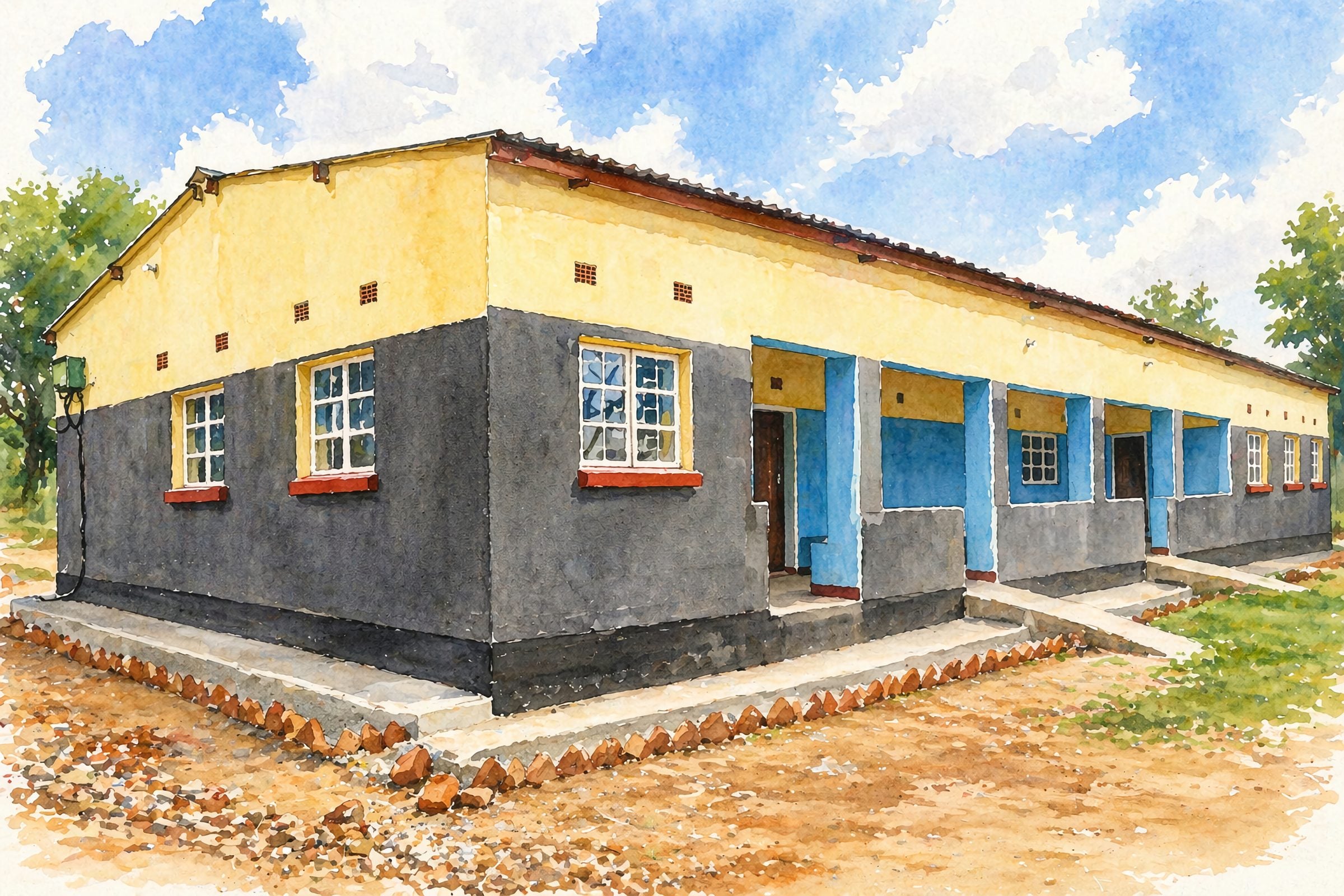
Across Eastern Province, many boma government offices — the administrative centers at the heart of district government — rely on aging computers, fragile local networks, and phones that fail under daily use. Frequent brownouts and power surges add another layer of instability, and make even basic digital workflows difficult to sustain.[7]
At the same time, Zambia was expanding e-government systems for public services, including mandatory health data reporting.[3] In practice, many district offices still lacked the reliable hardware, software, and connectivity needed to participate fully — a pattern well-documented in research on government ICT adoption across Sub-Saharan Africa.[5]
The result was a persistent gap between policy goals and field reality: the systems existed, but infrastructure bottlenecks made consistent service delivery hard to achieve.[4] In this environment, hands-on technical support became essential to keeping critical government operations running.
Adequate technology is not just a tool; it's the bridge between progress and potential.
The term "boma" traces its origins to Central and East Africa and derives from a Swahili word for enclosure. During the colonial era, it was adapted to signify government administrative centers within districts. In Zambia, the boma is the nucleus of local government — housing offices for health, agriculture, education, and more.
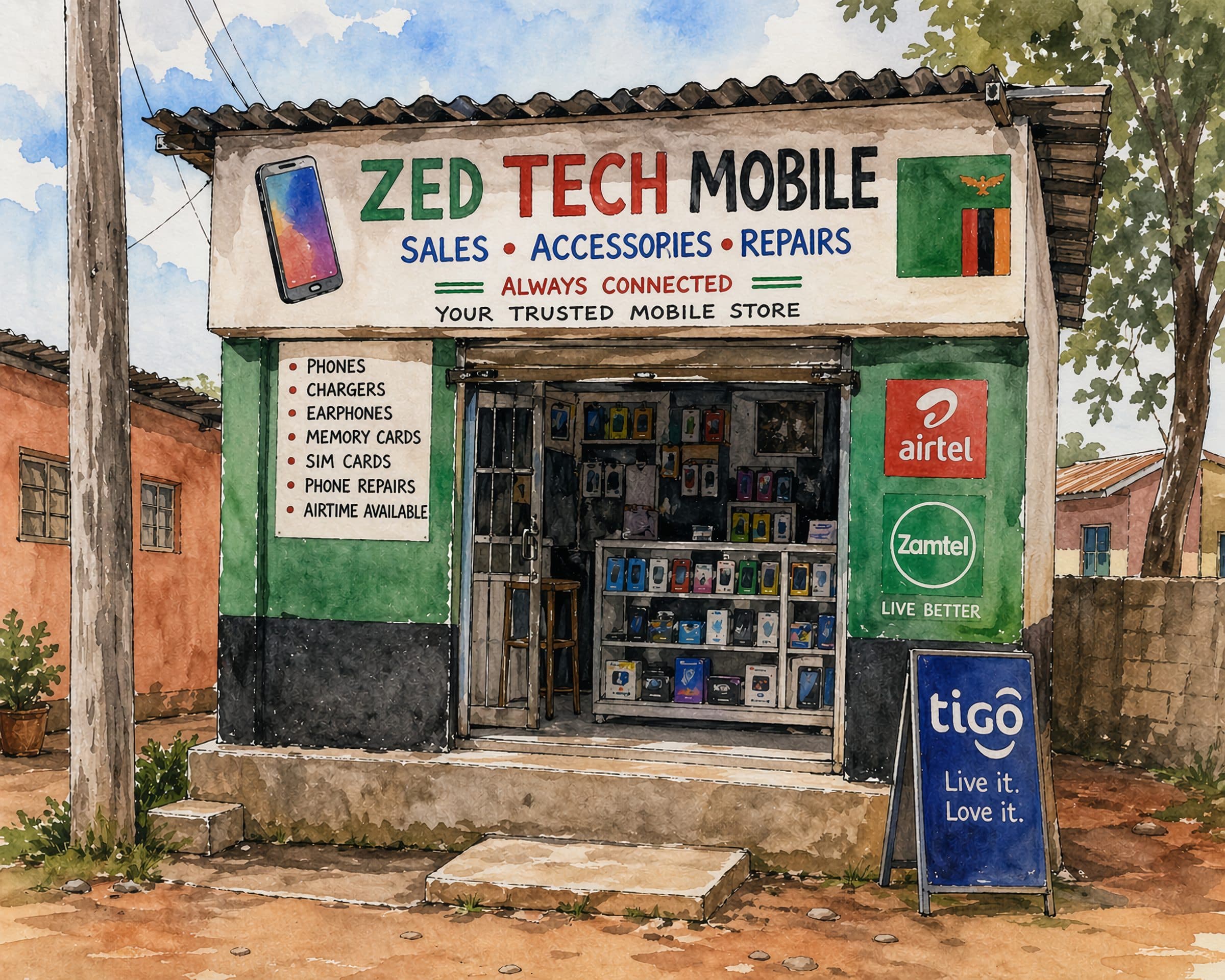
Across the region, informal electronics markets filled the gaps that formal supply chains could not — a critical resource for anyone trying to keep aging hardware alive.
Hands-On IT Support in the Field
Over nearly three years, I focused on field-ready IT support that prioritized reliability over ideal infrastructure. New work typically came by word of mouth — a text or phone call from another boma requesting help. Sometimes that meant a day trip; sometimes it meant sleeping on an official's living room floor and returning to the office the next morning to finish the job.
I worked directly with district staff across multiple chiefdoms to:
- Repair and reimage failing government desktops and laptops
- Update and stabilize software running on legacy operating systems
- Rebuild and troubleshoot local network setups and connectivity
- Extend the life of low-cost mobile devices through targeted configuration changes and hardware modifications
When formal repair channels were unavailable, I sourced components from informal hardware salvage markets, bartered skills with local vendors, and built a reliable network of people who could fix or source almost anything. Mobile connectivity gaps across the region made this improvisation essential — in sub-Saharan Africa, a significant share of the population relied on mobile as their primary access point, and device reliability directly affected that access.[2]
Within the Peace Corps volunteer network, phones are a critical safety tool for volunteers in remote postings. I became the primary resource for phone repair and recovery across the regional volunteer community — keeping communication lines open when commercial repair wasn't an option.
Building a Local Repair Ecosystem
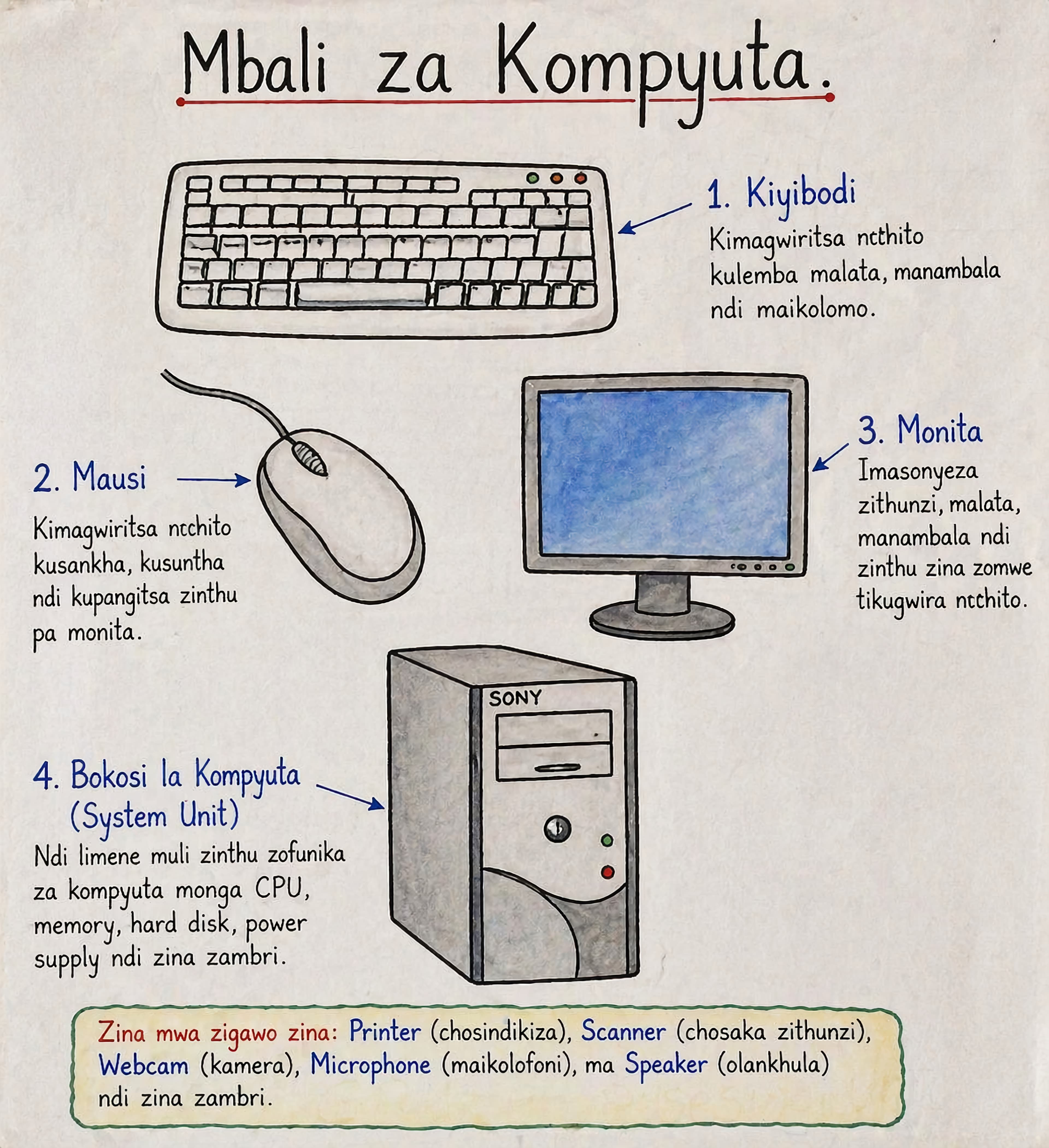
On quieter days, I'd spend time with local technical repair vendors — exchanging techniques, absorbing local improvisation methods, and sharing tools. I became especially skilled at modifying off-brand devices to improve battery life and screen readability in direct sunlight.
I built collaborative ties with organizations including BongoHive — Zambia's first technology and innovation hub, established in 2011 to address exactly these gaps in local ICT coordination and skills[6] — along with Zambia University College of Technology, Digital Future, Connect Zambia, and TechnoServe. These partnerships helped expand local knowledge sharing and, just as importantly, ensured the work would outlast my service.
Impact
Each district presented different constraints — from hardware scarcity to intermittent power to outdated firmware with no clear update path. The work required continuous adaptation, practical triage, and strong local relationships. As of 2023, an estimated 2.6 billion people worldwide lacked internet access, and for many in low-income countries the gap is not just about connectivity but about the basic reliability of the devices and infrastructure that access depends on.[1]
- Increased device reliability across district offices used for mandatory health and administrative reporting
- Reduced downtime by restoring aging hardware rather than waiting on underfunded replacement cycles
- Improved communication continuity for Peace Corps volunteers and field staff through mobile device support
- Strengthened local capacity through peer technician collaboration and knowledge transfer to in-country partners
Given the fixed duration of Peace Corps service, sustainability wasn't an afterthought — it shaped every decision. Each partnership forged, each skill transferred, and each local technician connected to resources was a deliberate investment in an ecosystem designed to function without me.
ICT access and mobile connectivity data from the ITU's annual Facts & Figures report (2023) and GSMA Intelligence (2023). The policy context around Zambia's e-government ambitions is drawn from the Smart Zambia Master Plan (2019) and the UN E-Government Survey (2022). The academic framing of ICT challenges in African government contexts is grounded in Heeks (2002), a foundational analysis in the field. BongoHive (2023) documents Zambia's technology ecosystem. General infrastructure context from World Bank (2022).
- International Telecommunication Union. (2023). Measuring Digital Development: ICT Facts and Figures 2023. ITU Publications, Geneva. [Link]
- GSMA Intelligence. (2023). The Mobile Economy Sub-Saharan Africa 2023. GSMA. [Link]
- Smart Zambia Institute, Ministry of Technology and Science. (2019). Smart Zambia Master Plan 2019–2024. Government of the Republic of Zambia, Lusaka. [Link]
- United Nations Department of Economic and Social Affairs. (2022). UN E-Government Survey 2022: The Future of Digital Government. United Nations, New York. [Link]
- Heeks, R.. (2002). e-Government in Africa: Promise and Practice. Information Polity, 7(2–3), 97–114. [Link]
- BongoHive. (2023). BongoHive: Zambia's First Technology and Innovation Hub. BongoHive Technology & Innovation Hub, Lusaka. [Link]
- World Bank. (2022). Zambia — Country Overview. The World Bank, Washington DC. [Link]